SUPPORTING NEW DEVELOPMENTS IN WATERSIDE ACCESS
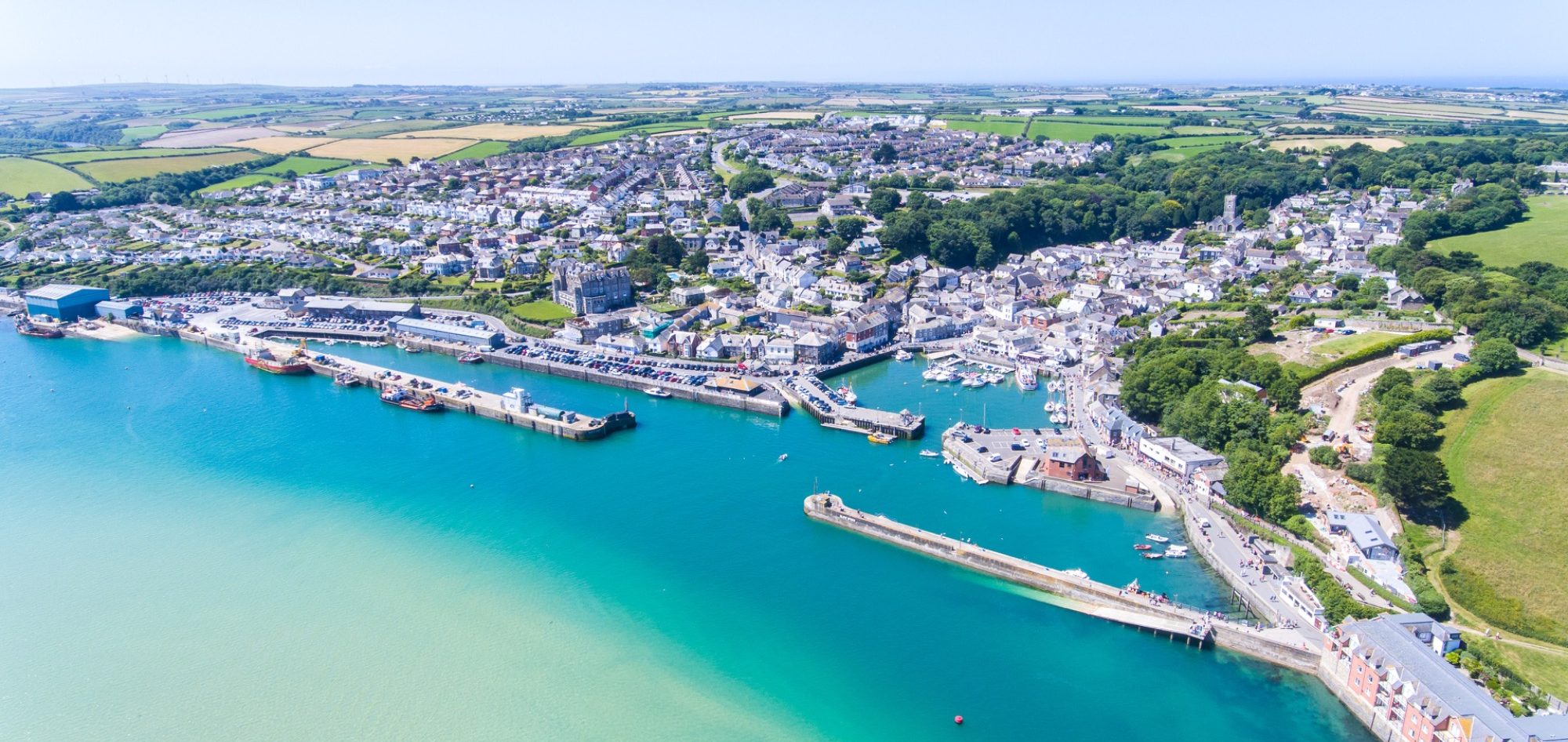
Improving access to the water for disabled users is central to the work of Inland and Coastal who specialise in the design, manufacture and installation of breakwaters, commercial harbour pontoons and leisure marinas. At Padstow Harbour in Cornwall, the team installed a bespoke heavy-duty concrete pontoon and a 24m access gangway for the Padstow–Rock ferry. These replaced the previous boarding arrangement via a tidal slipway.
The facility was designed to make boarding and disembarking safer and more reliable, with accessibility considered from the outset. Geoff worked with the team, drawing on his extensive experience to help develop and assess the access arrangements.
“Pontoons are often thought of as just a place to tie up a boat, but their potential is so much greater than that,” says Ollie Shortall, Managing Director of Inland and Coastal. “Our specialist projects demonstrate just how adaptable these structures can be when you start with the needs of the people who use them. Whether that’s providing a safe swimming environment, supporting oyster cultivation or making the water more accessible to people with disabilities, every project presents its own challenges and opportunities.
“Whatever the application, safety is always the number one priority. Every design must be driven by the intended use, the environment and the people who will depend on it.”
ROYAL SOUTHERN YACHT CLUB
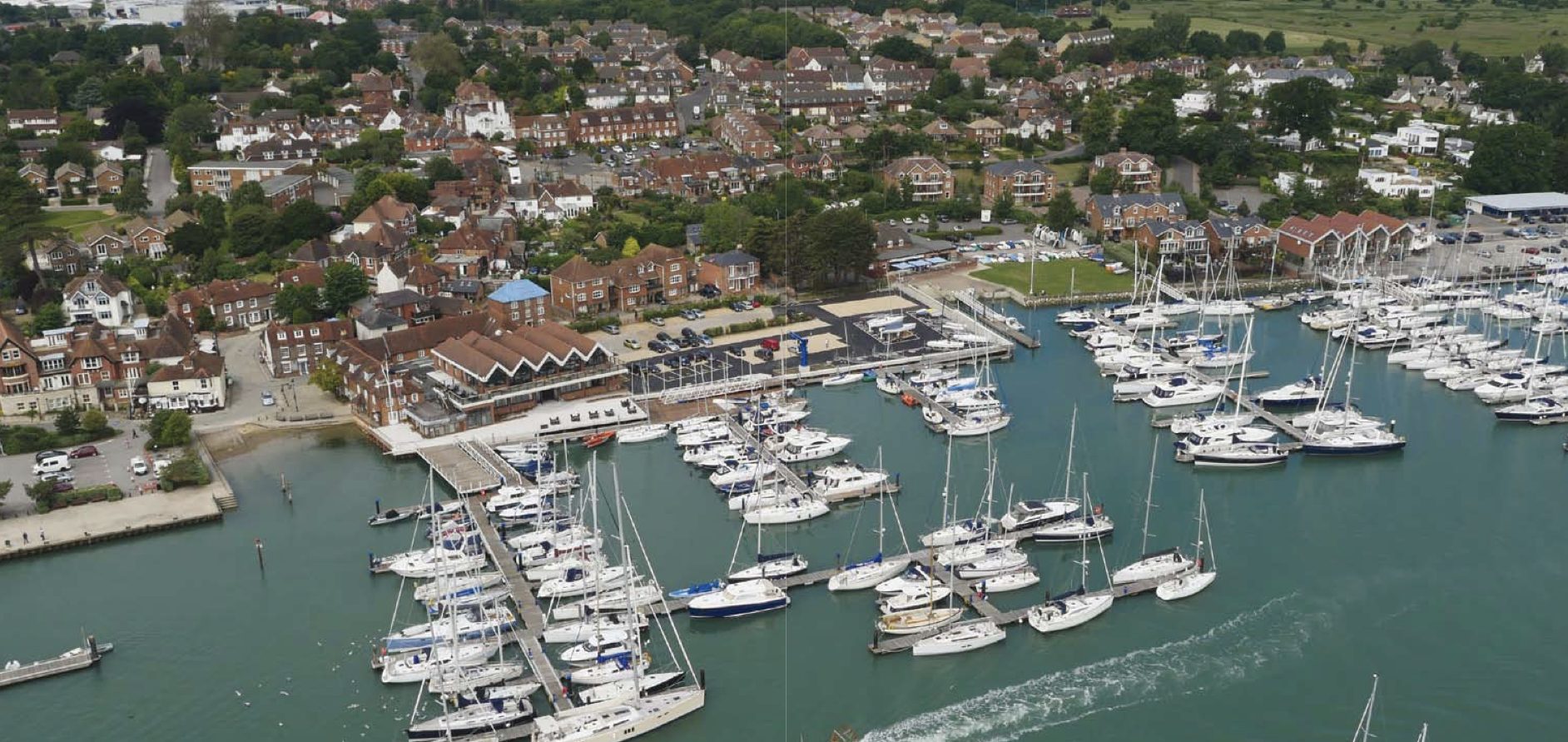
The development of the Prince Philip Yacht Haven at the Royal Southern Yacht Club, followed many years of unsuccessful attempts to improve the Club's waterfront facilities. Working alongside Marina Developments, who had been engaged by the Royal Southern Yacht Club to help deliver the project, Geoff Holt MBE was invited to contribute his extensive experience of disability, accessible boating and inclusive waterfront design, helping ensure that accessibility was an integral part of the development, rather than an afterthought.
Geoff worked closely with Marina Developments and those responsible for the scheme, advising on the practical requirements necessary to enable people with severe physical disabilities, including wheelchair users, to access the waterfront. The resulting proposals included fully accessible pontoons and a purpose-built disabled berth with a personnel hoist, the first facility of its kind on the River Hamble.
Geoff also personally addressed the Local Area Committee considering the planning application. Drawing upon decades of lived experience and his work in disabled sailing, he explained both the barriers traditionally faced by disabled people around the waterfront and the significant community benefit that genuinely accessible facilities could deliver. His intervention provided a compelling practical and social case in support of a development that had previously struggled to secure planning consent.
The application was ultimately approved, enabling the Prince Philip Yacht Haven to become a reality. The Haven demonstrated how informed accessibility advice, working collaboratively with developers such as Marina Developments, can materially strengthen a major waterfront project and help decision-makers understand its wider public value. Geoff's involvement provides an early and powerful example of how specialist disability expertise can influence design, planning and ultimately the successful delivery of genuinely inclusive maritime infrastructure.